Backend Engineer. ML &
Security Researcher
Hi, I'm Amar. I spent two years building secure, scalable backends in production but then fell down the machine learning rabbit hole and didn't climb back out. Today I'm an Erasmus Mundus scholar researching how to make machine learning private and secure by design.
I started out as a backend developer, and for two years that meant real production work implementing end-to-end encryption, multi-factor auth, microservices talking over a Kafka cluster, the whole system monitored on Prometheus and Grafana so we'd catch failures before users ever felt them. I genuinely liked the system-design side: drawing service boundaries, thinking about scale, making distributed system work in tandem.
What I liked less was that the day-to-day slowly became routine: another API, another feature. I wanted harder problems.
The shift came during my master's. My research kept pulling me toward machine learning: my first accepted paper looks at the privacy–utility tradeoff in differentially private classifiers, and the more I dug in, the more I realized the problems I actually wanted to spend my time on lived at the intersection of ML, math, and security. It's challenging in the way backend stopped being: real problem-solving, not routine.
So that's where I am now: an Erasmus Mundus scholar in Applied Cybersecurity (CyberMACS) at Kadir Has University in Istanbul, bringing the engineering discipline I built shipping production systems to machine learning that's private and secure by design.
Currently
Erasmus Mundus Scholar
CyberMACS, Kadir Has University
Previously
Senior Backend Developer
Veda Studios
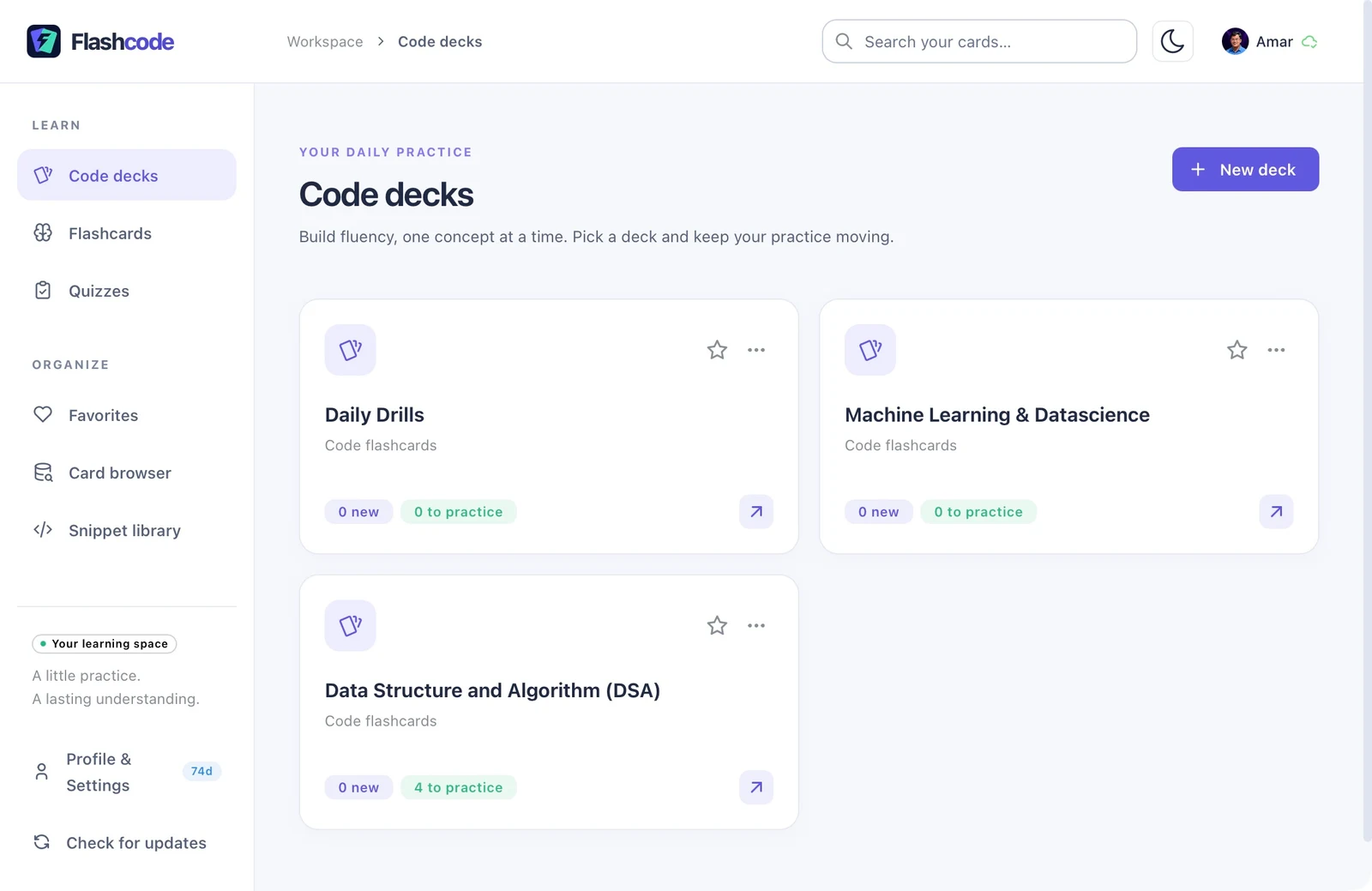
It started as a frustration: reviewing code snippets in Anki while learning DSA in Rust, and every time I pasted code onto a card, the indentation broke. So I built my own. Flashcode is a desktop app that stores code with formatting intact and schedules reviews using SM-2 spaced repetition. It's grown into a full study tool — quiz mode that imitates a real exam, a code snippet library, and notes, all in one place.
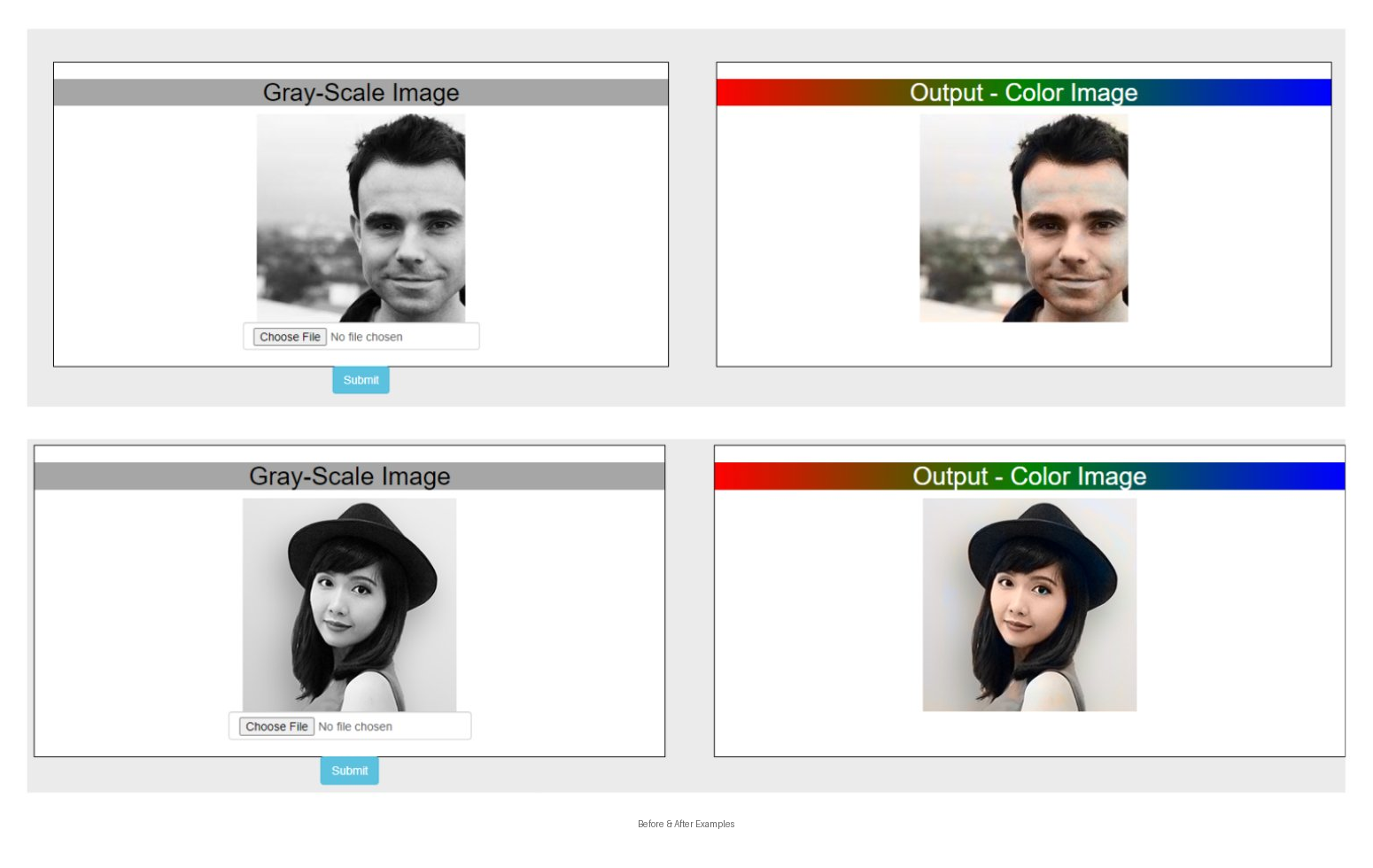
A convolutional autoencoder that takes a black-and-white image and predicts its color. I worked in the LAB color space so the model only learns the two color channels (a, b) from brightness (L) — keeping the learning problem clean and focused. Trained with an augmentation pipeline (rotation, zoom, shear, flips) and wrapped in a React + Flask interface for upload and colorization.
Kadir Has University, Istanbul, Türkiye
Fully funded Joint Master's degree scholarship (Selective international program)